


How Madhya Pradesh Can Tackle Rising Heat
On a summer afternoon in Madhya Pradesh, a construction worker in Indore, a street vendor in Bhopal and a tourist visiting Ujjain may all experience the same heat very differently, depending on where they live, work and move through the city.
Between 2011 and 2021, Madhya Pradesh experienced over six heatwave events per year on average. As urban areas continue to expand, heat exposure is intensifying across the state’s geographically diverse and rapidly growing urban centres and historic cities. The drivers, impacts and patterns of heat exposure can vary widely from one city to another. In fact, variations can be seen even between different neighbourhoods within the same city.
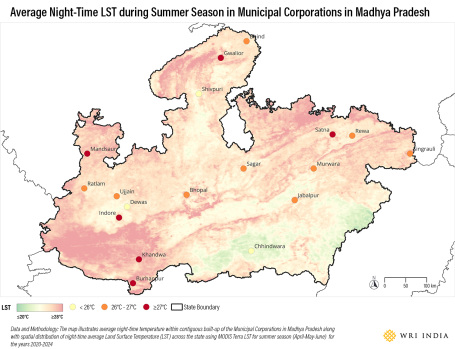
Heat Does Not Affect Every City Equally
While some heat-related challenges are common across cities, others are shaped by unique local conditions, like built densities, vegetation cover and heat generated by human activities. These make cities hotter than their rural surroundings. Geographical conditions, patterns of urban growth, and economic activities further shape where heat accumulates and who faces highest exposure.
These differences can be seen across five major cities in Madhya Pradesh.
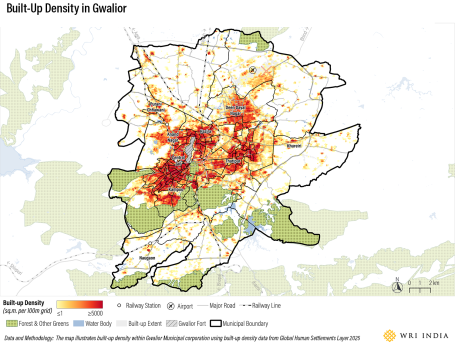
Gwalior's urban core, comprising densely built areas, traps more heat, leading to prolonged heat exposure.
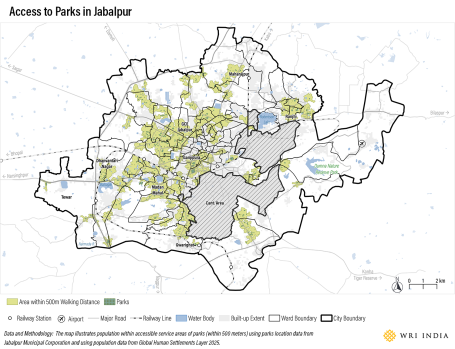
In Jabalpur, forests, open spaces and water bodies provide important ecological buffers, yet nearly half of the city's residents (~49%) lack nearby green spaces that provide heat relief.
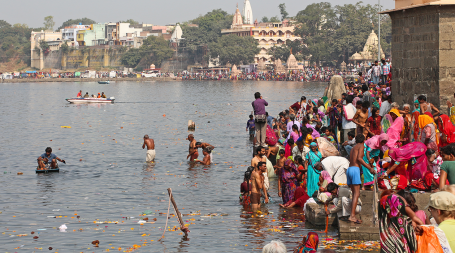
Ujjain's heat challenges are shaped by its significance as a major pilgrimage destination. Tourist areas such as Ram Ghat along the Shipra River have limited shade, leaving visitors exposed to heat.
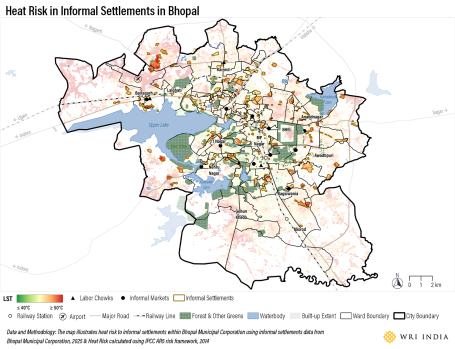
In Bhopal, lakes and green spaces provide cooling benefits, but the benefits are distributed disproportionately. Sparsely shaded and densely built informal settlements experience 4–6°C higher temperatures than nearby residential areas.
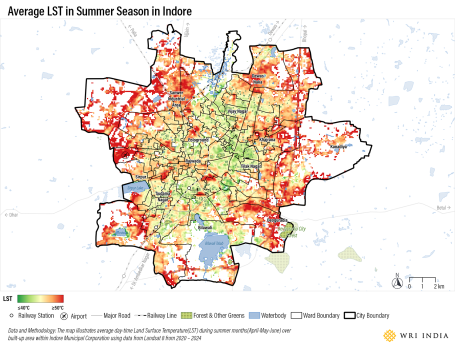
Indore’s rapid urban expansion, increasing densities of built-up areas and economic activities intensify heat exposure. Workers in industrial areas face exposure to prolonged heat stress.
These examples demonstrate how rising heat can create different consequences, depending on the city’s context.
Heat as an Equity Challenge
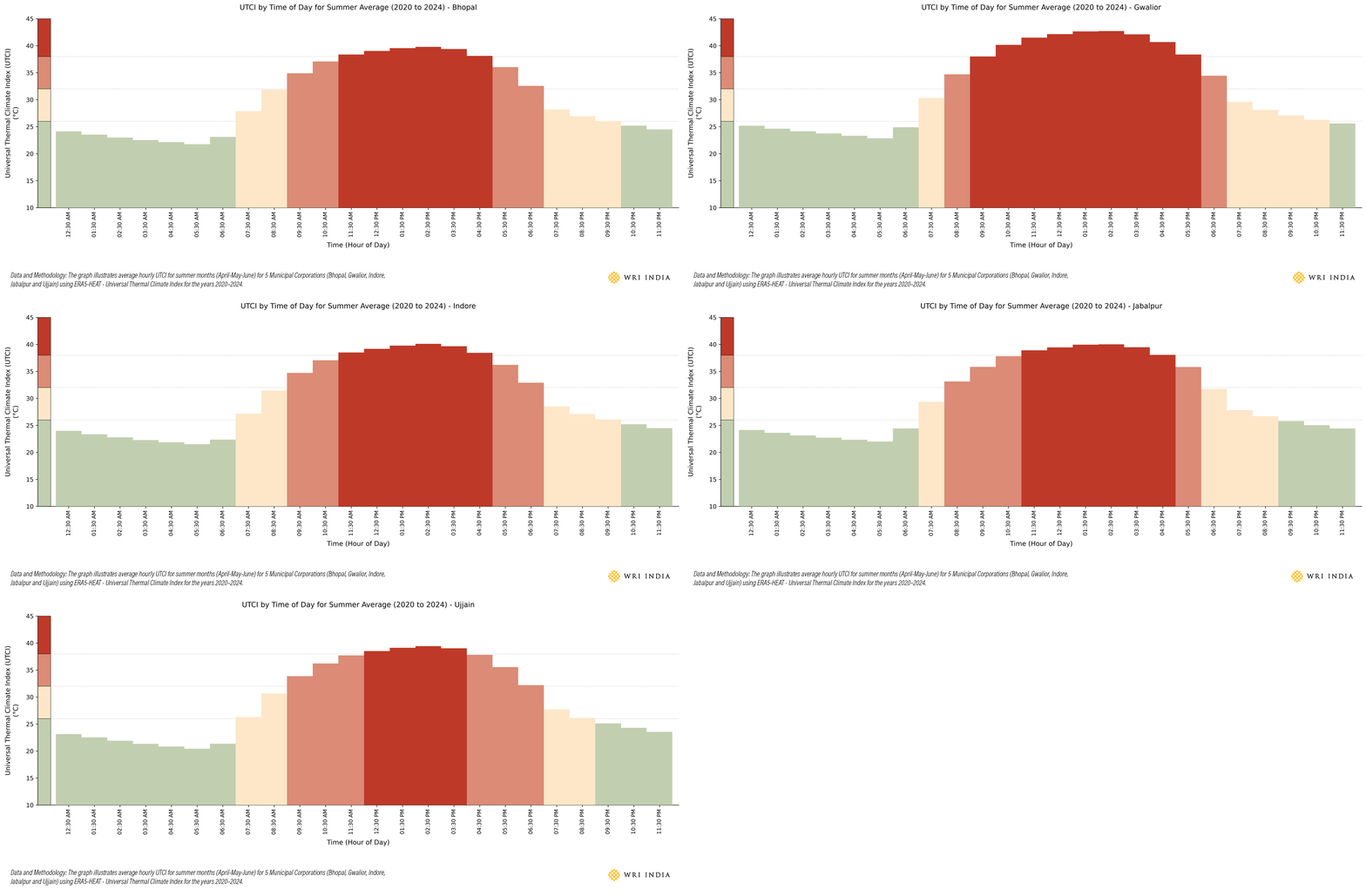
Across the five cities, extreme heat stress persists for approximately 5–7 hours each day, typically from late morning through the afternoon. However, heat does not affect all residents equally. Communities that are already vulnerable — people from low-income households or those living in informal settlements, outdoor workers, children, older adults and people with pre-existing health conditions — frequently face the highest levels of heat exposure. Many of them also have limited access to cooling, healthcare and resilient infrastructure.
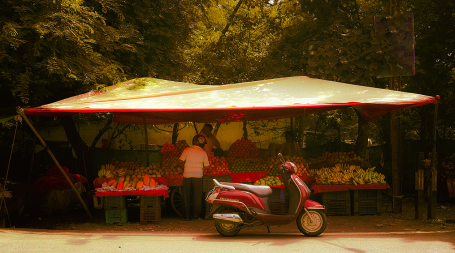
Prolonged exposure to heat contributes to rising health risks, loss of productivity, and reduced household incomes, particularly among those working during peak heat hours.
Therefore, there is a need for heat resilience policies that are targeted, equitable and cognisant of the needs of those facing the highest risks.
From Heat Risk to Heat Resilience
While emergency response measures like Heat Action Plans (HAPs), Early Warning Systems (EWS), health preparedness and public awareness campaigns are crucial, urban heat risk requires a more comprehensive response. These measures must be complemented by long-term strategies that integrate heat resilience into how cities are planned, designed and managed.
The first step is understanding where heat exposure is highest, who is most vulnerable, and the local factors contributing to heat risk. Ward-level assessments and geospatial analysis can help cities identify these variations. Tools like Cool Cities Lab can enable decision-makers to explore high-resolution spatial datasets, estimate thermal stress, and assess potential cooling strategies and their co-benefits.
The next step is to identify solutions that respond to these unique local conditions. Adequate shade along streets, public spaces, markets and pilgrimage routes can provide relief from heat, while cooling centres equipped with fans or air conditioning and drinking water can provide temporary refuge during periods of extreme heat.
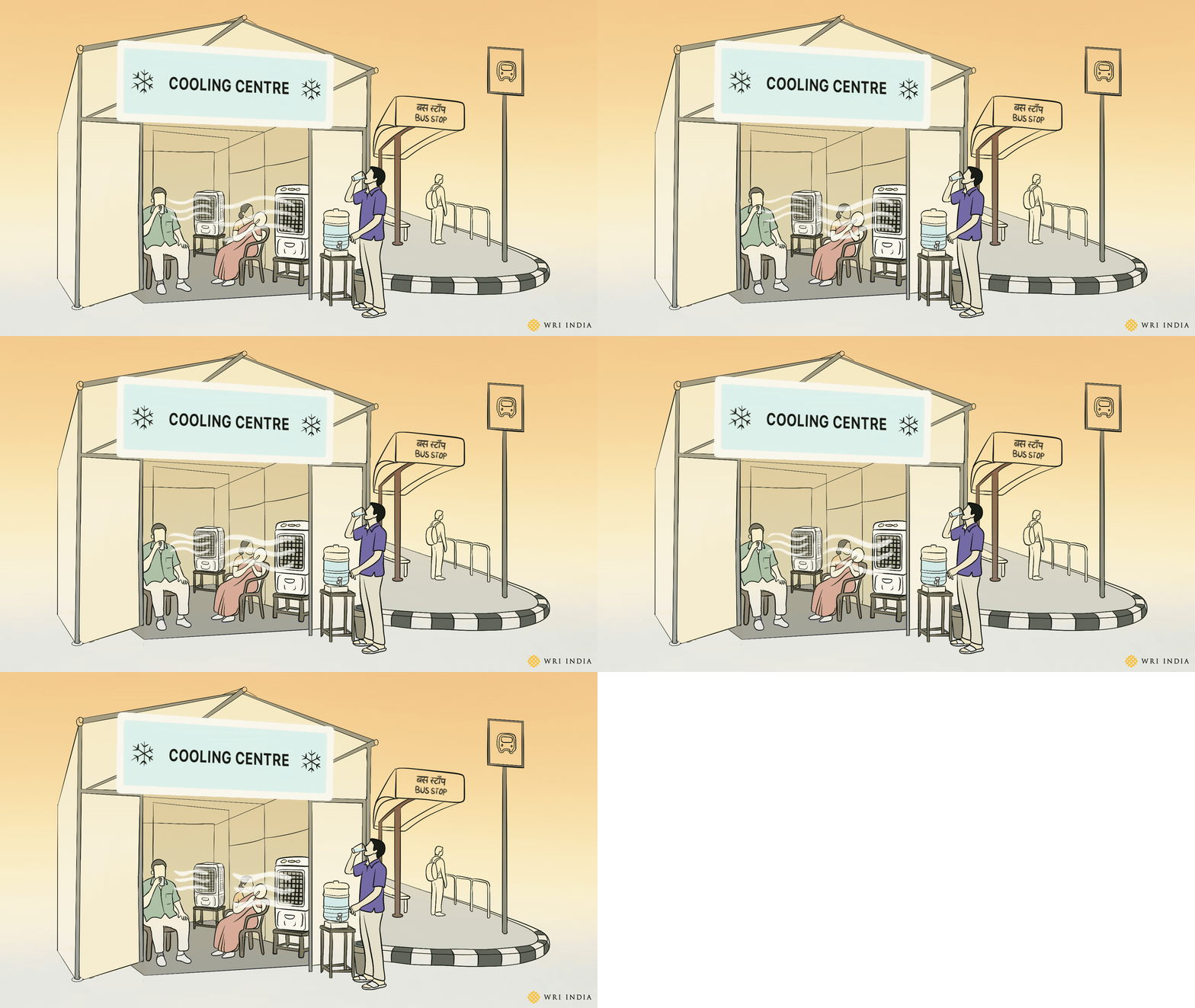
Urban greening can reduce surface and air temperatures through shading, while retaining existing mature trees can provide long-term cooling benefits. Cool roofs and other heat-reflective surfaces can improve thermal comfort. Studies from Ahmedabad and Telangana report temperature reductions of 2°C to 4°C following the deployment of cool roofs. For outdoor and industrial workers, access to shade, drinking water, rest and safer working conditions can reduce prolonged heat exposure.
Heat is becoming a defining urban development issue for cities across India. While the drivers and impacts vary from Bhopal to Ujjain, a common lesson emerges: Effective heat resilience must be locally informed, equitable and integrated into long-term urban planning. Heat resilience planning must move towards solutions tailored to specific contexts, creating cooler, safer and more liveable cities for everyone.
Vinamra Bharadwaj is a Junior Project Associate with the GeoAnalytics Team at World Resources Institute India.