
Energy Access Explorer
A Digital Public Good helping deliver energy transitions
Reliable, affordable, modern energy catalyses socio-economic development and helps advance energy transition.
However, the energy requirements can vary across sectors and states. To support this need for multidisciplinary energy planning, WRI India and its partners developed the Energy Access Explorer (EAE) in India.
EAE is the first open-source, online and interactive platform designed to visualise and analyse clean energy potential in unserved and underserved areas. The platform integrates energy demand and supply data for inclusive and integrated energy planning. It supports locally-led, data-informed solutions to achieving clean energy transition. Additionally, EAE in India integrates data on climate and natural disasters, allowing planners to factor in vulnerabilities when designing interventions.
EAE enables government departments, energy planners, clean energy entrepreneurs, financial institutions and development organisations to identify high-priority areas for energy interventions. As a dynamic information system. It reduces software engineering and data transaction costs for both data providers and users while facilitating data management and governance. Users can also track changes over time to monitor the progress of various interventions.
Currently active in Jharkhand, Assam, Nagaland, and Mizoram, the platform provides valuable information to a multitude of stakeholders, for example:
- Electricity planning agencies can use the platform to explore the potential for grid extension, grid connected solar systems, off-grid systems, and renewables for energy transitions in their states.
- Clean energy enterprises can use the platform to access demographic and socio-economic data, which indicate consumer ability to pay for energy services. This information can help identify gaps in market opportunities.
- Development finance institutions can use the platform to identify areas where grants and support will have the most impact.
- Service delivery institutions can utilise the data to ensure reliable power for critical social infrastructure.
- Disaster management agencies can assess regional vulnerabilities and plan energy interventions for disaster related adaptation or resilience.
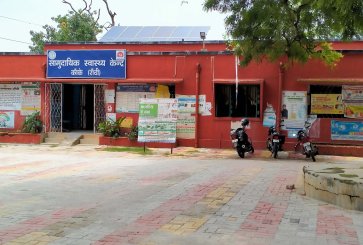
In India, the Energy Access Explorer has supported planning agencies meet a variety of development goals including prioritising of healthcare facilities, schools and relief shelters for solarisation.
Featured from this Project
-
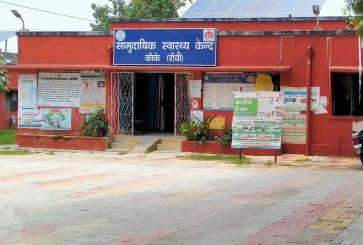
Incorporating Primary Data on Healthcare Facility Electrification in Energy Access Explorer: A Deep Dive in Jharkhand, India
Technical Note August 19, 2025 -

-
-
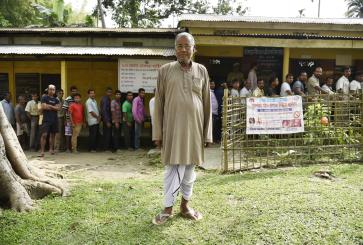
How Can Energy Access Explorer Support Jharkhand’s Development Objectives?
Perspectives December 10, 2021 -

-