


Skills, Inclusion and Resilience in a Time of Transition
India's micro, small and medium enterprises (MSMEs) are navigating a period of rapid change. As industries respond to climate change, technological shifts and evolving market demands, small businesses and workers are adapting, building new skills, exploring new opportunities and finding ways to remain competitive.
At the heart of these transitions are people: workers preparing for emerging industries while managing heat stress, women entering traditionally male-dominated sectors, and entrepreneurs building resilience in an uncertain future.
Our collection of research, articles and short films from across India's textile and automotive sectors explores how small businesses and their workers are navigating these transitions—and what it will take to ensure that the future is not only greener, but also more inclusive, resilient and equitable.
1. Skills for a Green Economy
As climate policies, technological disruption, shifting trade regimes and AI reshape industries worldwide, skills are emerging as a critical form of economic resilience. India's ability to remain competitive in a rapidly changing global economy will depend on how effectively it prepares its workers and MSMEs for new technologies, evolving standards and emerging industries. This article outlines five ways in which industry, government and training institutions must work together to build a workforce that is equipped to navigate the opportunities and disruptions of a changing economy.
Read: Why India Needs Industry-Led Green Skilling at Scale
2. Preparing Automotive MSMEs for the EV Future
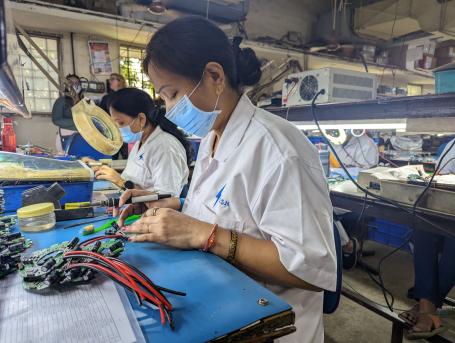
The shift to electric mobility is reshaping India's automotive value chains. For MSMEs that form the backbone of the sector, understanding emerging technologies and building new capabilities will be essential to remaining competitive.
This film features participants from WRI India's skilling program in Coimbatore as they explore the EV manufacturing ecosystem, build future-ready skills, and prepare for the next phase of industrial growth.
Watch: Preparing MSMEs for the EV Transition in Coimbatore
3. Why Large Manufacturers Matter for MSME Transition
As India's automotive sector transitions to electric mobility, many MSMEs face challenges in adapting to new technologies, products and market requirements. Yet these businesses remain a critical part of the industry's supply chains.
This working paper explores how large automotive manufacturers can support MSME suppliers through capability building, technology partnerships and supplier development initiatives. It highlights why strengthening MSME competitiveness is essential to building a more resilient and inclusive EV ecosystem.
4. The Power of Shared Infrastructure
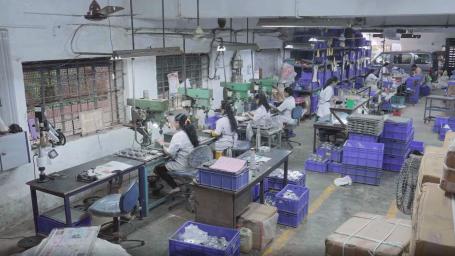
Not every MSME has the resources to invest in new technologies, testing facilities or specialised training on its own. Shared infrastructure can play a critical role in lowering these barriers, distributing and reducing risk, and accelerating adoption.
This Perspectives article explores how Common Facility Centres (CFCs) can provide MSMEs with access to equipment, technical expertise and skilling opportunities, helping smaller businesses participate in and benefit from the EV transition.
Read: How Common Facility Centers Can Drive a Just EV Transition
5. New Opportunities in Electric Mobility Could Redefine Inclusion
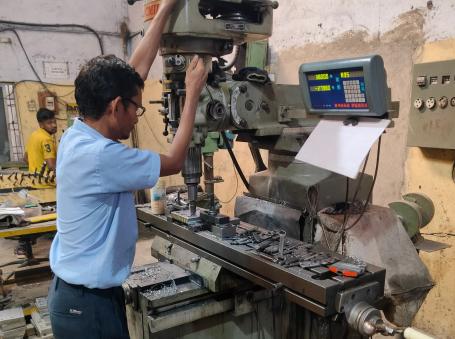
The transition to electric mobility is not only creating opportunities for businesses but also opening the door for a more diverse workforce. In a sector historically dominated by men, the EV ecosystem offers a chance to expand women's participation across manufacturing, technical and service roles.
This short film highlights the experiences of women working in the EV ecosystem and explores how skilling, training and employment pathways are helping them build careers in a rapidly evolving industry.
Watch: Electric Dreams: Empowering Women in India's Shift to Electric Vehicles
6. Reimagining Women's Work in the Textile Sector
Women form the backbone of India's textile industry, yet many remain concentrated in low-wage, non-technical roles with limited opportunities for advancement. As the sector adopts cleaner and more sustainable production practices, it also has an opportunity to become more equitable.
This Perspectives article examines how skilling, workplace reforms, and greater access to technical and leadership roles can help ensure that women are not left behind in the textile sector's transition.
Read: Behind the Seams: Reimagining Women's Work in the Textile Sector's Green Transition
7. Rising Heat in Textile MSMEs
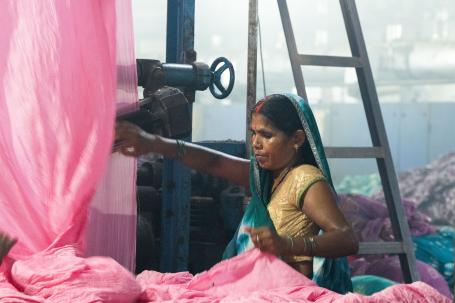
For many workers in Surat's textile processing units, heat is not simply a seasonal concern—it is an everyday workplace reality. High temperatures and humidity generated by industrial processes can affect workers' health, safety, productivity, and well-being.
Through thermal imagery, worker testimonies, and visual storytelling, this film takes viewers inside textile processing units to reveal a challenge that often goes unseen. As temperatures continue to rise, it highlights the importance of improving workplace conditions and strengthening climate resilience across industries.
Watch: Invisible Heat: Visualising Heat in Surat’s Textile MSMEs
8. Climate Risks Are Becoming Business Risks
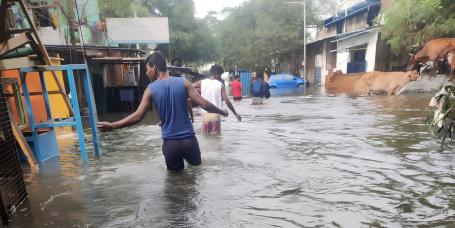
Extreme heat, flooding, and other climate-related disruptions are increasingly affecting how MSMEs operate. From reduced worker productivity and supply chain delays to damaged equipment and interrupted production, businesses are facing growing challenges to their day-to-day operations and long-term resilience.
Drawing on a survey of 310 manufacturing MSMEs across Surat, Chennai and Coimbatore, this report reveals significant gaps in preparedness, with only 13% of surveyed enterprises reporting a formal business continuity plan. As India seeks to strengthen its manufacturing sector and build resilient supply chains, the report underscores the need to integrate resilience into MSME policy, financing and worker protection.
Read: Resilience of Micro, Small and Medium Enterprises to Climate Risks: A Vulnerability Assessment in t…
Together, these stories show that a successful industrial transition is about more than new technologies or cleaner production processes. It is about ensuring that workers, businesses and communities have the skills, support, and opportunities they need to adapt and thrive. As India's MSMEs continue to navigate a changing world, placing people at the centre of the transition will be key to building a future that is both competitive and inclusive.
