


India at Work: 5 Books Exploring Informal Livelihoods
Open any economic survey of India and you will be greeted by GDP growth rates, sectoral outputs, formal employment figures and future projections. Datasets and policy conversations rarely reflect the texture of lives and livelihoods — the sabziwala negotiating prices at the mandi, the gig worker racing against an algorithm, the beedi-roller working from her home while managing caregiving duties, or the pastoralist walking their flock across a changing landscape.
Over 90% of India's workforce earns its living outside the formal sector, Women occupy a particularly fraught position as their labour is present across the sector yet rarely registered. Then there are the millions of micro, small and medium enterprise (MSME) workers facing a changing market, lack of credit access, regulatory environment volatility and climate variability. These are not footnotes to the Indian economy but it's very fabric; and understanding India’s complex, vibrant and precarious informal economy requires going beyond the numbers.
This selection of contemporary literature provides a profound window into lived realities of those who fuel our economy.
The Many Lives of Syeda X by Neha Dixit
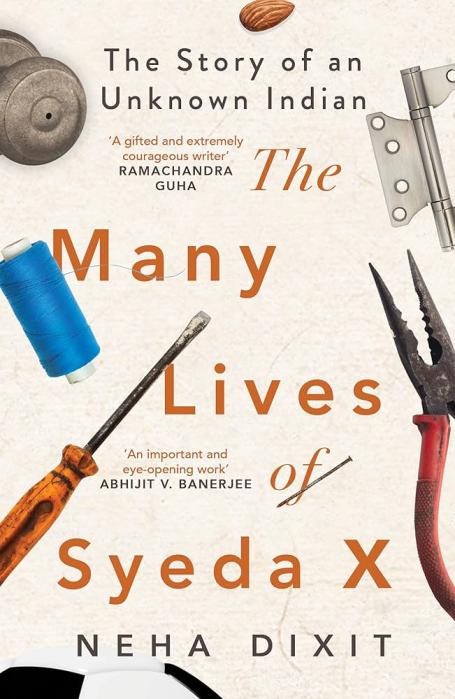
Meticulously researched over a decade, this book follows a Muslim woman whose family escapes communal violence in Banaras and arrives in Delhi in the early 1990s. In the following decades, she moves through numerous different jobs — trimming jeans, shelling almonds, making cycle brakes, among others — each precarious, dispensable and underpaid. The simple yet clear undertone of Syeda’s story points out that the real economy of Indian cities is stitched together by women whose labour flows into the everyday goods we consume, without our ever registering the hands that shape them. Without tipping into pity or sentimentality, the author allows Syeda’s trials and tribulations to speak for themselves, while being contextualised through data and the larger socio-political landscape, including one of the longest strikes in India's unorganised sector, led by women almond shellers.
Nine Rupees An Hour: Disappearing Livelihoods of Tamil Nadu by Aparna Karthikeyan
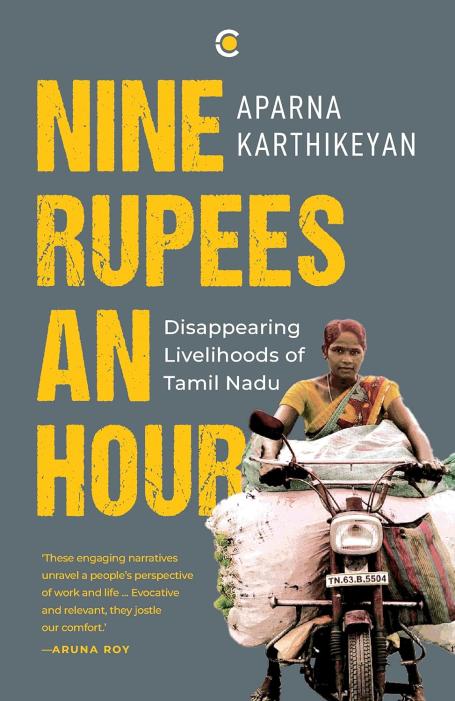
For years journalist Aparna Karthikeyan travelled across Tamil Nadu's villages, documenting the lives of palm tree climbers, sickle makers, handloom weavers, nadaswaram craftsmen, and folk performers — people who carry centuries of skill in their hands and earn next to nothing for it. The title ‘nine rupees an hour’ as the wage of a korai mat weaver, encapsulates both the material conditions and the moral failure of development models that fail to value craft and traditional knowledge. What holds the book together is how vividly Karthikeyan brings out the world of the people she speaks to, highlighting that rural livelihoods do not exist in isolation. Agriculture, when it fails, pulls every surrounding trade down with it: the instrument maker, the dancer, the toddy tapper, the seed keeper. Through interviews with P. Sainath, T.M. Krishna, and Bama the book also offers a systemic understanding of mainstream development and the communities it bypasses.
Tiger Lessons by Sannapureddy Venkatarami Reddy, translated by Narasimha Kumar
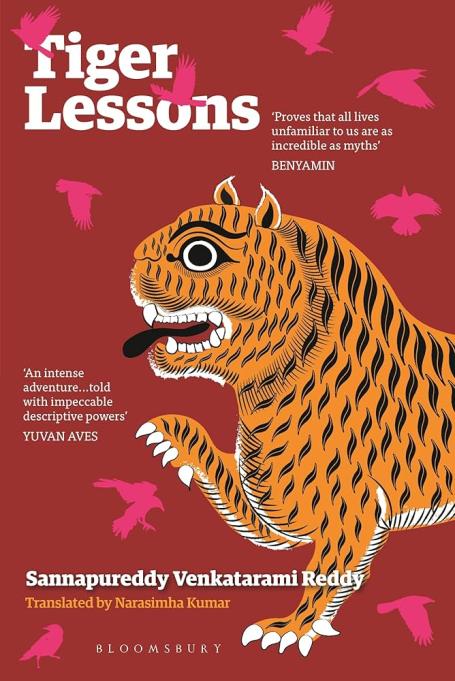
A young man from a golla shepherd family, trained as an engineer finds himself driving his family's flock through the Nallamala hills one famine-struck summer, learning from animals and elders what no classroom prepared him for. Reddy's deep familiarity with the Nallamala forest ecosystem, its communities and tensions shines through as the book traces how drought, red sandalwood smuggling, caste violence, and shrinking commons have impacted the lives of golla, yaanadi, and sugaali communities, turning their forest knowledge into both a survival tool and a vulnerability.
Mother Earth, Sister Seed: Travels through India's Farmlands by Lathika George
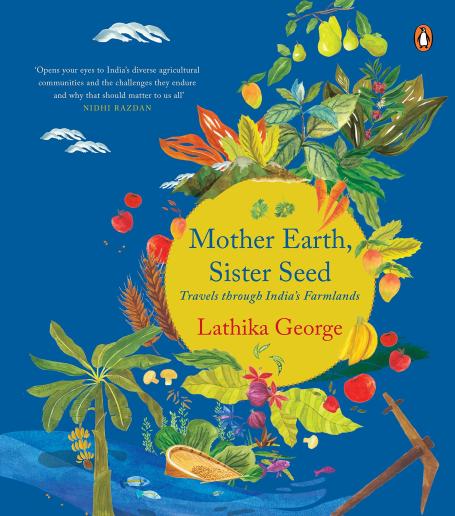
Landscape designer and organic gardener Lathika George takes us across the wetlands of Rameshwaram, the floating gardens of Kashmir, the coffee estates of Coorg, and the community seed banks of Meghalaya, to the people who grow, fish, tend and harvest the food that reaches our plates. In this narrative-over-statistics approach, readers encounter farmers as scientists, innovators and custodians of living knowledge and not mere beneficiaries or victims of economic policies. The book also emphasises how women contribute to agriculture by deciding what to plant, preserving heirloom seeds, gathering forest produce, and holding together household food systems. Rich with ritual, recipe, folklore and observations, the book raises uncomfortable questions that go beyond access, markets and productivity.
A Free Man: A True Story of Life and Death in Delhi by Aman Sethi
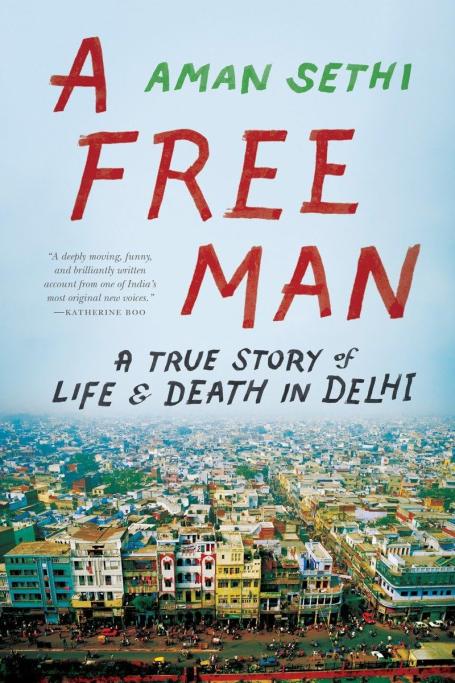
When journalist Aman Sethi began following Mohammed Ashraf, a house painter and itinerant mazdoor at Bara Tooti Chowk in Old Delhi, he thought he was writing a story about informal labour. What emerged was a portrait of a man who had worked as a biology student, a butcher, a tailor, an electrician's apprentice, and a farmhand across Indian cities. Ashraf arrives at the chowk not through failure alone, but through a particular and stubborn understanding of what freedom costs. Set against the preparation for the 2010 Commonwealth Games and structured in four sections — Azaadi, Akelapan, Lawaris, Ajnabi (Freedom, Loneliness, Unclaimed, Estranged) the book traces Ashraf's life in a city in transition. Sethi's self-reflection adds honesty and discomfort in equal measure as he deals with the tension and ethics of ‘us’ telling ‘their’ stories.
These stories highlight how no urban or rural transition can be called just if it bypasses the people who make it function. From understanding how green and grey infrastructure decisions affect pedestrians, local street vendors and waste pickers, to examining how climate variability reshapes land and livelihoods of our farming communities, these recommendations emphasize an idea that lies at the heart of our research and action — informal livelihoods deserve to be acknowledged and planned with, not planned around. They remind us that understanding the rhythm of informal livelihoods, recognising their economic and ecological contributions, building data systems and capacities that make them visible and resilient, and informing policies to empower them must be our shared prerogative.