


Gorakhpur Is Changing — So Is Its Air
Historically renowned for its British-era legacy and its Gorkha soldiers, Gorakhpur is nestled in the eastern section of the fertile Indo-Gangetic Plain. The city, located in India’s most populous state, Uttar Pradesh, has undergone a swift transformation over the 21st century.
I was born in Gorakhpur, and watching it evolve is deeply personal. As a child, I witnessed a quiet, simple city with ample open spaces, and dreamt of modern amenities and lifestyles that seemed distant. Today, those dreams have materialized — the transformation is real and remarkable. But this transformation has brought with it something that poses a challenge to many tier-2 and tier-3 Indian cities: air pollution.
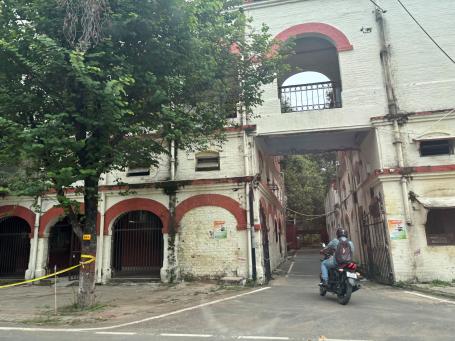
The State of Global Air 2024 report reveals that India is home to six of the top ten most polluted cities globally, with many non-metro cities on the list, sparking questions about their development patterns. Research indicates that smaller cities in the Indo-Gangetic Plain are also at risk, often exhibiting higher pollution levels than larger cities.
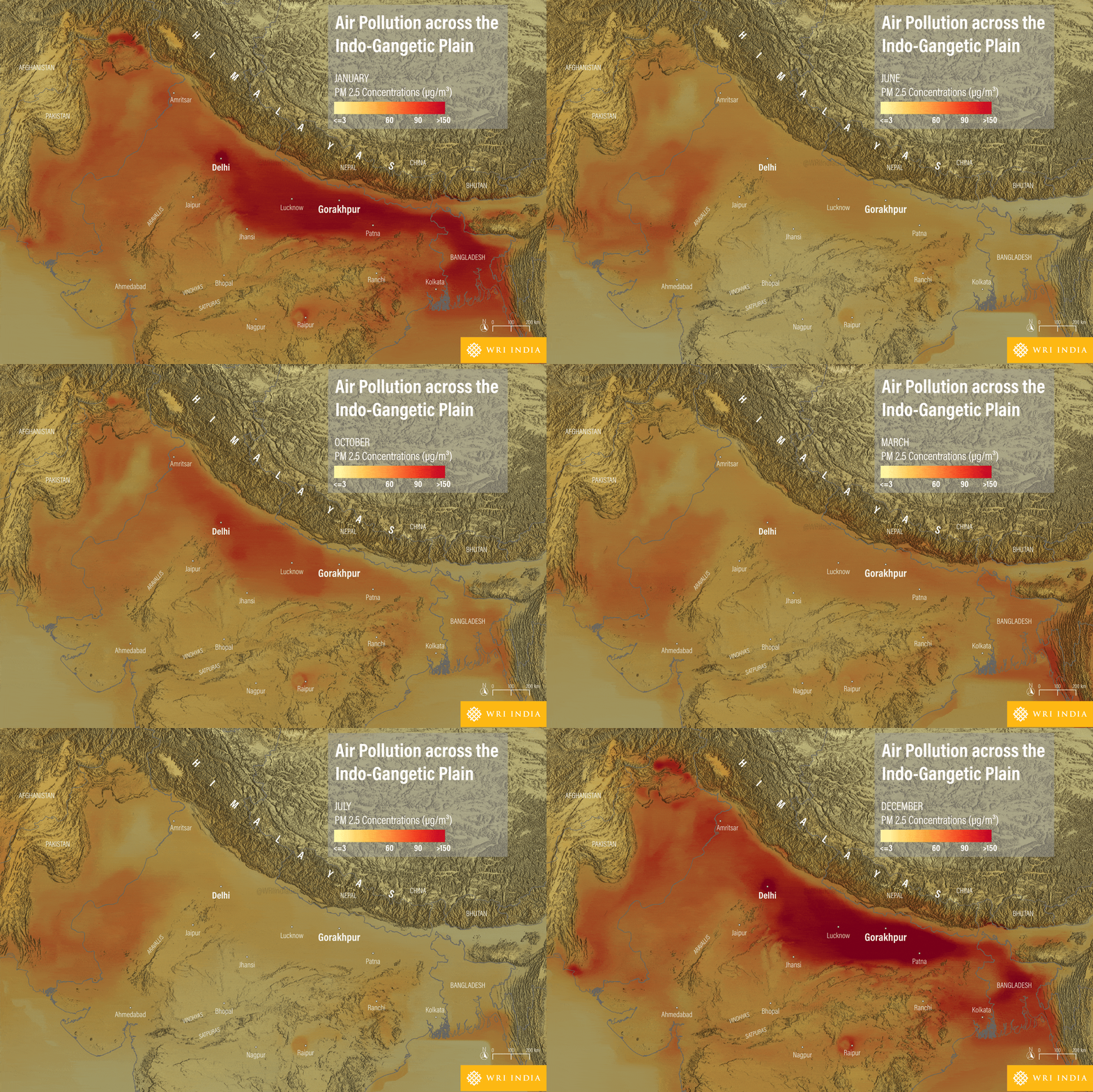
The Hidden Costs of Gorakhpur’s Growth
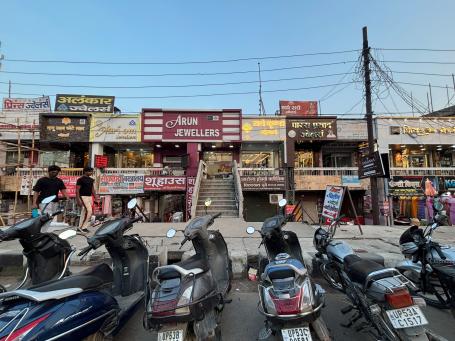
While Delhi and Mumbai dominate the air pollution discourse, tier-3 cities like Gorakhpur often face a similar, yet overlooked, crisis. Smaller cities are rapidly transforming into urban centers, inheriting both the opportunities and environmental burdens of development. Gorakhpur, with a district population of 4.4 million, once faced challenges in providing basic amenities. Today, it features glitzy shopping malls, flyovers, underpasses, multilevel parking, and four-lane roads. Construction is relentless across the region, with cranes becoming a perennial feature of the city’s skyline.
Even as an extensive road network reaches every corner of the city, traffic congestion is becoming inescapable. Vehicle ownership in Gorakhpur has increased nearly 14% in just four years. Madhuri, an 85-year-old resident, captures the transformation: "I don't like going outside. My grandchildren drag me along, but whenever I step out, everyone seems to be on the road. Now we have a car but still feel trapped on these packed streets."
The city has moved beyond manual traffic control, adopting technological solutions like an Integrated Command and Control Centre (ICCC), yet congestion continues to worsen. Beyond infrastructure changes, changing food habits have given way to frequent dining out and ordering in. Instant delivery apps have accelerated the shift from biodegradable kitchen waste to mountains of non-biodegradable packaging. Consequently, residential areas in Gorakhpur are now producing around 0.6 kg of waste per person each day.
In the absence of adequate disposal infrastructure across many neighborhoods, open waste burning is becoming a routine practice. Studies reveal that anywhere between 2%-24% of municipal solid waste in India is burned openly, depending on the city, releasing toxins directly into the air.
Although research specifically examining these factors in smaller cities remains scarce, according to experts, construction activities, transport emissions and open waste burning are some of the leading contributors to air pollution. The problem is massive, but it remains underestimated.
Breathing Hope: Gorakhpur’s Initiatives and a Path Forward
Gorakhpur is charting a course out of these challenges by taking action on air quality management. The city has installed a Continuous Ambient Air Quality Monitoring System (CAAQMS) alongside three manual monitoring stations. The city’s fleet of 25 electric buses currently serves 12,000 passengers daily, with plans to expand to 100 e-buses. The city's efforts earned it fourth position in the Swachh Vayu Ranking of cities with a population of 3-10 lakh in 2024.
Gorakhpur is also establishing India's first integrated waste management facility, combined with a learning center, spanning 40 acres at Suthani. Most significantly, the city aims to eliminate open waste burning, a major contributor to particulate pollution, entirely by 2027. The city’s municipal corporation, Nagar Nigam Gorakhpur (NNG), is part of the Accelerator for Clean Air Actions (ACAAS) initiative, under which WRI India is providing technical assistance to help several Indian cities formulate and implement air quality management solutions.
While Gorakhpur's progress is promising, for smaller cities, this challenge is compounded by lack of media attention, research, regulatory insights and sensitization amongst the citizens.
Cities worldwide offer compelling evidence that change is possible. Mexico City, ranked among the most polluted in the 1990s, has transformed its air quality through stringent enforcement, strategic policy interventions and relentless public awareness campaigns that connect air quality metrics directly to health outcomes. In India, Surat is tackling air pollution through clean air action plans focusing on major sources like construction dust and even smaller cities like Ujjain are employing decentralized waste management which can help discourage waste burning.
Gorakhpur can replicate such effective models. Timely, collective action focused on city-specific pollution sources, policy implementation, resource allocation, research attention and multi-stakeholder collaboration, can yield tangible results.
Gorakhpur has nurtured me, shaped my aspirations, and given me a sense of home. Now, like so many cities across India, its future depends on bridging critical gaps— through collective action and shared responsibility. The real question isn't whether we can afford to prioritize clean air; it's whether we can afford the cost of inaction. Development is essential, but it must not come at the expense of the air we breathe; the two are inseparable goals. Will we rise to the occasion? Because when it comes to air, prevention is always better than a cure.
